For this interview, we want to get personal because the story behind how Tanner and Nik made it in this industry is genuinely inspiring. But here’s the thing: they’re not the exception to the rule. What we see now is two guys working with big clients, the kind of names many designers dream about. Yes, we’re talking about Nike. Yet, in the beginning, they were just two design students working several jobs, like many of us, chasing something bigger on nights and weekends.
“Our passion and hustle clicked immediately, but collaboration was an equally important part of the equation. We’d literally toss ideas back and forth between ourselves, trying to cultivate an extremely open and free working environment where no idea was bad and anything could be thrown at the wall to see what stuck.”
The early days weren’t easy. The key was embracing the slow transition and believing in what they wanted to build. And then, the bigger gigs followed. If you’re curious what their advice is for everyone else out there, it’s simple: “Unfortunately, there’s no one-size-fits-all solution. You truly have to want it and be fully committed to achieving your goals.”
Do you remember the days when you’d talk with your classmates about your dream workplace? The goal was probably creative freedom and being able to manage your own time, with no money stress as the cherry on top. For Nik and Tanner, the inspiration came from Karlssonwilker, Sagmeister, and Experimental Jetset. They wanted to build a work environment geared toward their creative output, and to have as much fun as possible along the way. The result is a creative studio where the team stays small and brings in freelance creatives based on what each client needs.
“The small studio model has actually been around for a while, hence our love for the aforementioned studios, and going back even further, to practices like Charles and Ray Eames and other mid-century design studios, where small teams could work with large-scale clients and achieve outcomes on a global scale. At some point the agency model took hold, and even for us coming out of school, it felt like the only real viable option for working creatively and making a living. But now, because of new developments in tech and connectivity, the small studio model seems to be becoming more popular.
You end up wearing more hats than you would at an agency, which means more time devoted to things other than design. Then there’s the timing of projects, coordinating contractors, and assembling teams quickly enough to meet deadlines. That said, since overhead is lower, if you can find a flow and combination that keeps the lights on, you can hopefully be more selective about the projects you take, which ultimately frees up more time for creatively fulfilling work.”
Case in point
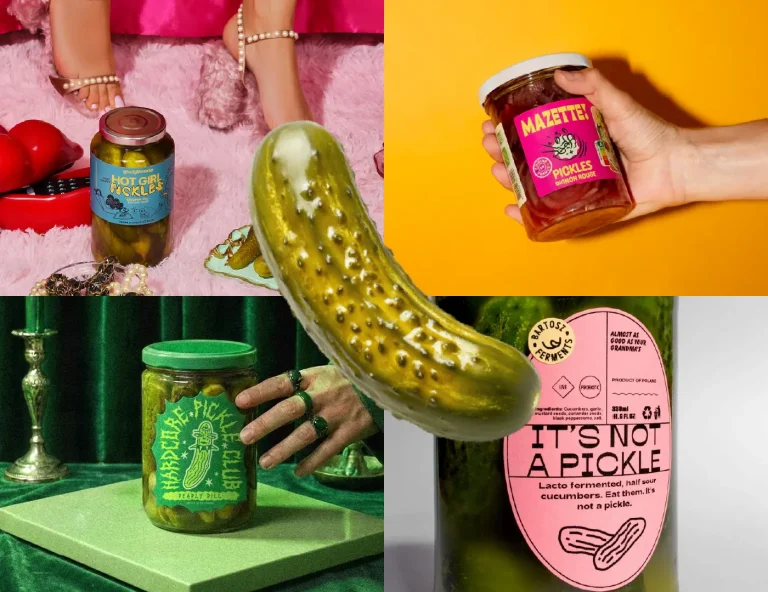
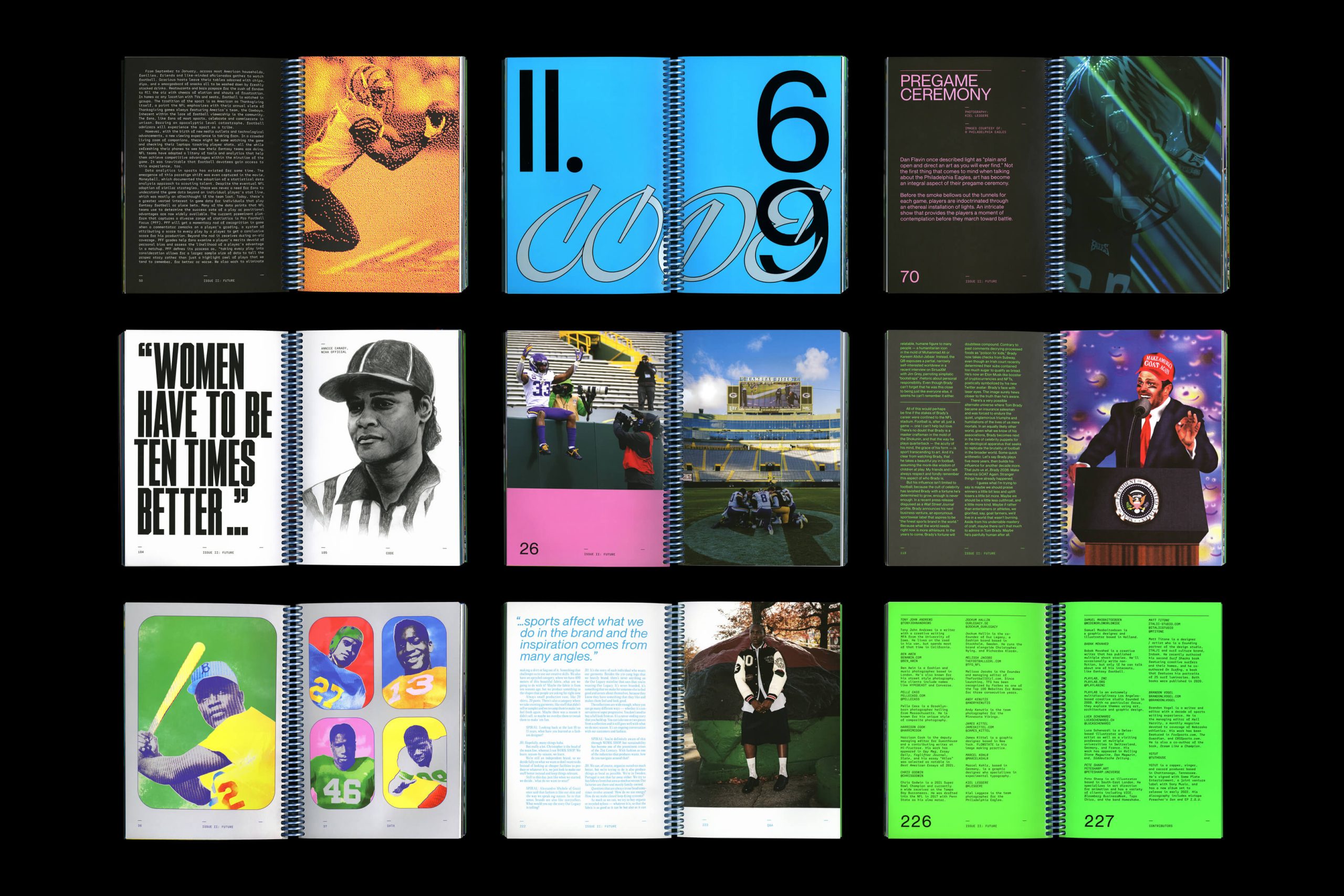
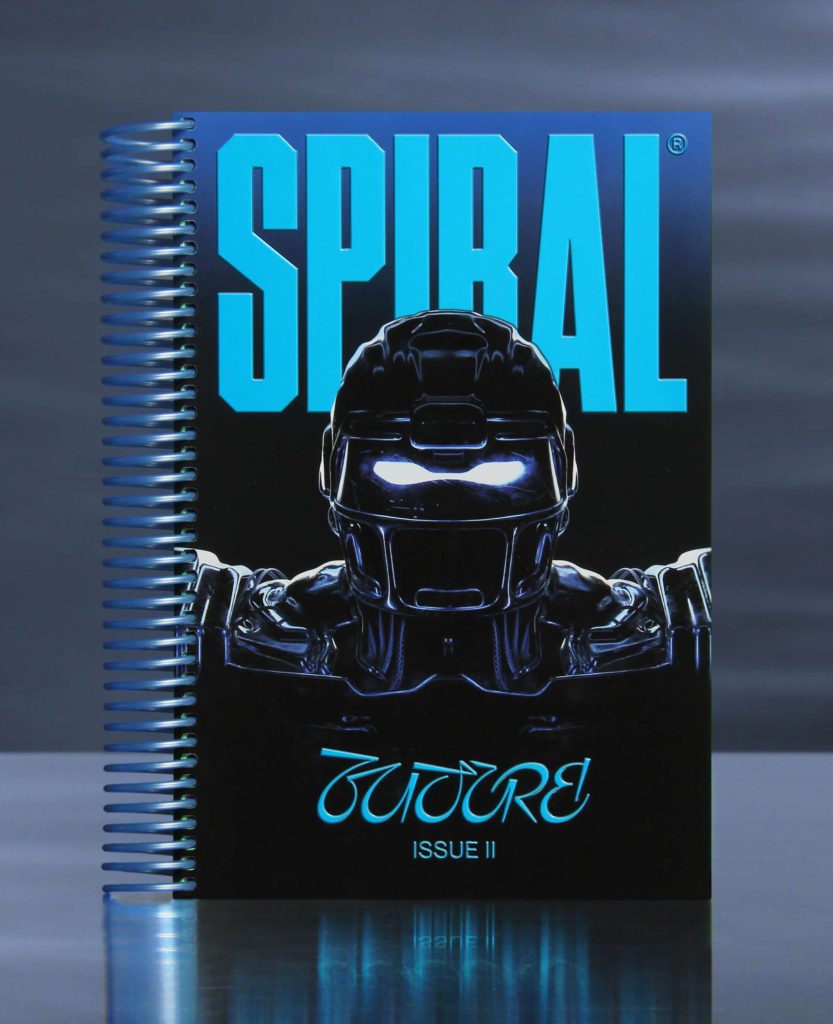
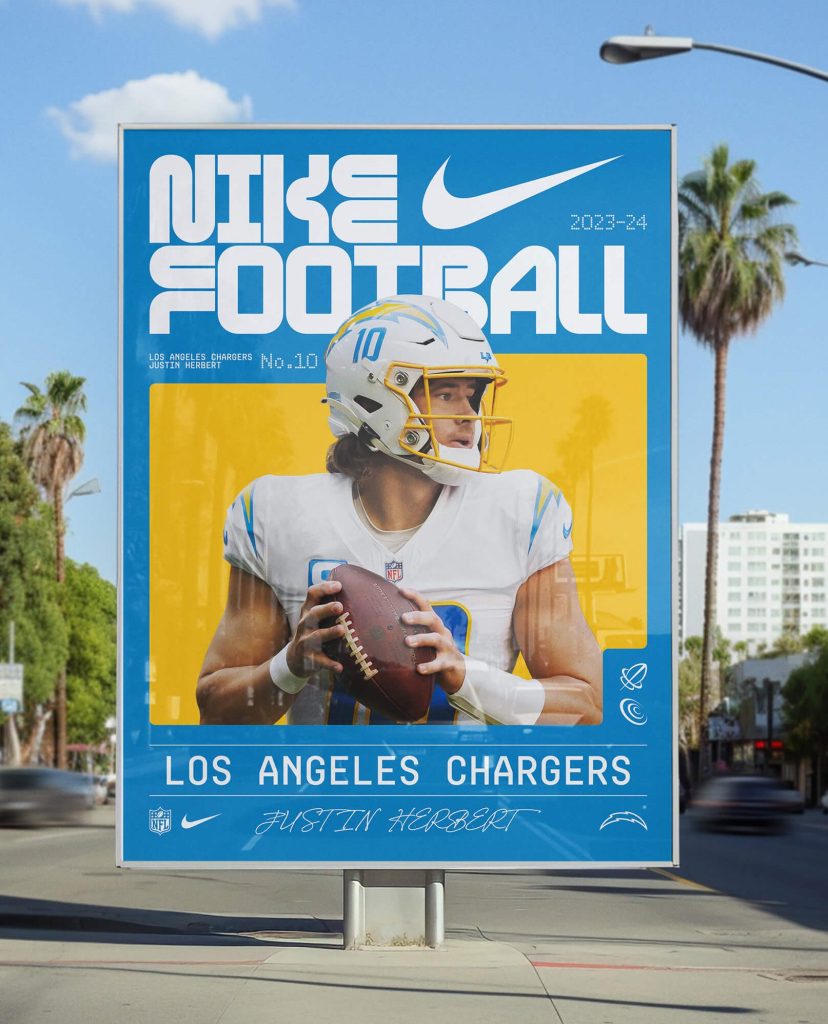
Forth + Back is one of those studios where the work is unapologetically them. Whether it’s an event identity for Jordan or an NFL campaign for Nike Football, you can see their style in the details. What’s their secret? They say they never show work they wouldn’t stand behind. Everything you see from them online is a project they’re ready to fight for.
“We’ve always tried to never fall into a ‘bag of tricks’ mentality, but of course it’s natural that a studio develops a bit of a visual style over time. We don’t think this is a bad thing either. This is usually what separates studio output from agency output: one tends to be a little more idiosyncratic, the other a little more streamlined. For us, this isn’t so much a conscious effort as it is an inevitable part of our process.”
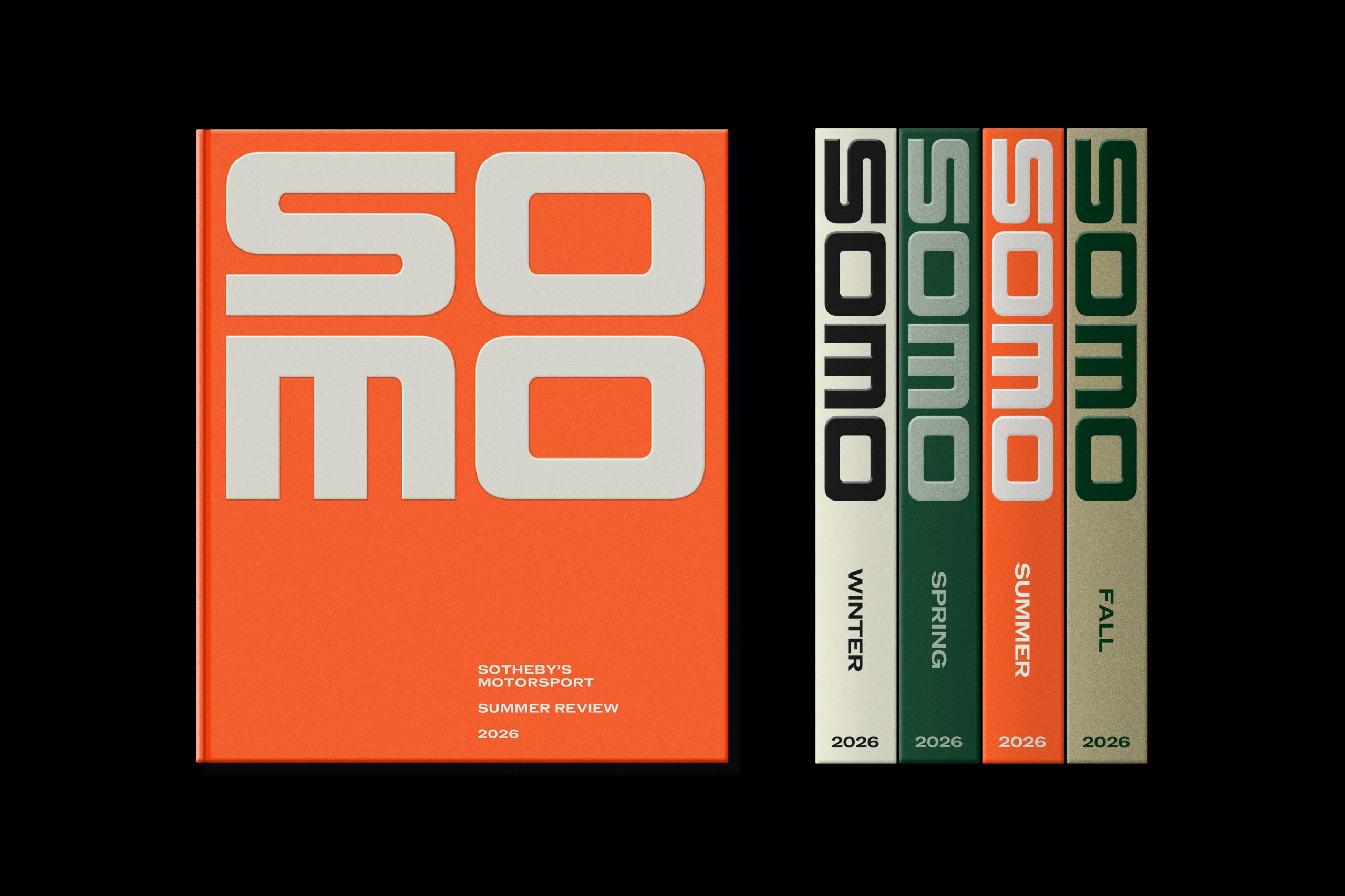
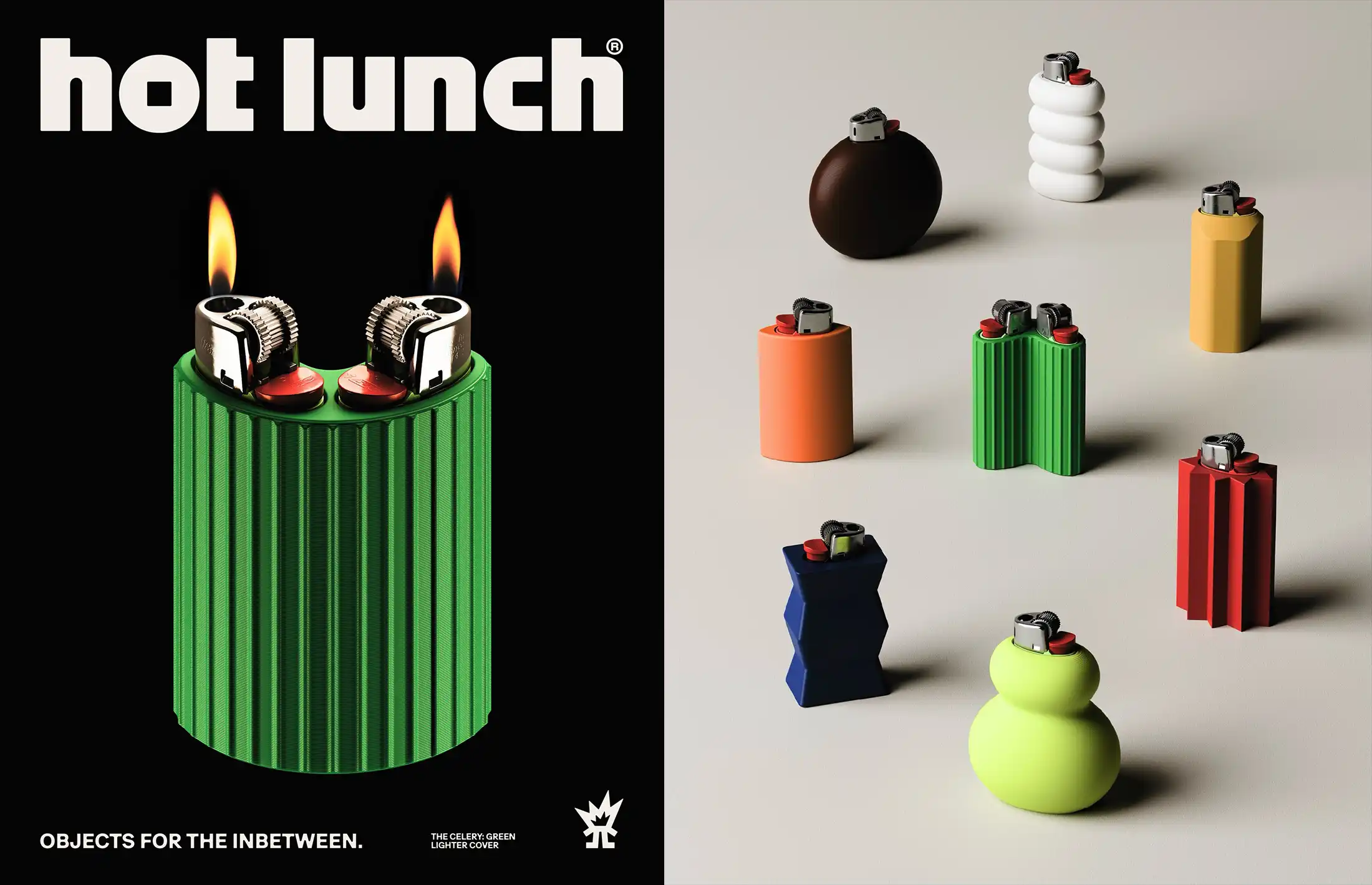
One more thing worth pointing out: their range is huge, from wine labels to motorsports, but it’s not random. They admit there are industries they love working with, however they’re always looking for a new kind of problem to solve. That’s probably why we’re seeing them on Hot Lunch these days, a project with Sample Studio, a small-batch brand making objects for everyday life. Like lighter covers.
Missing: The Human Touch
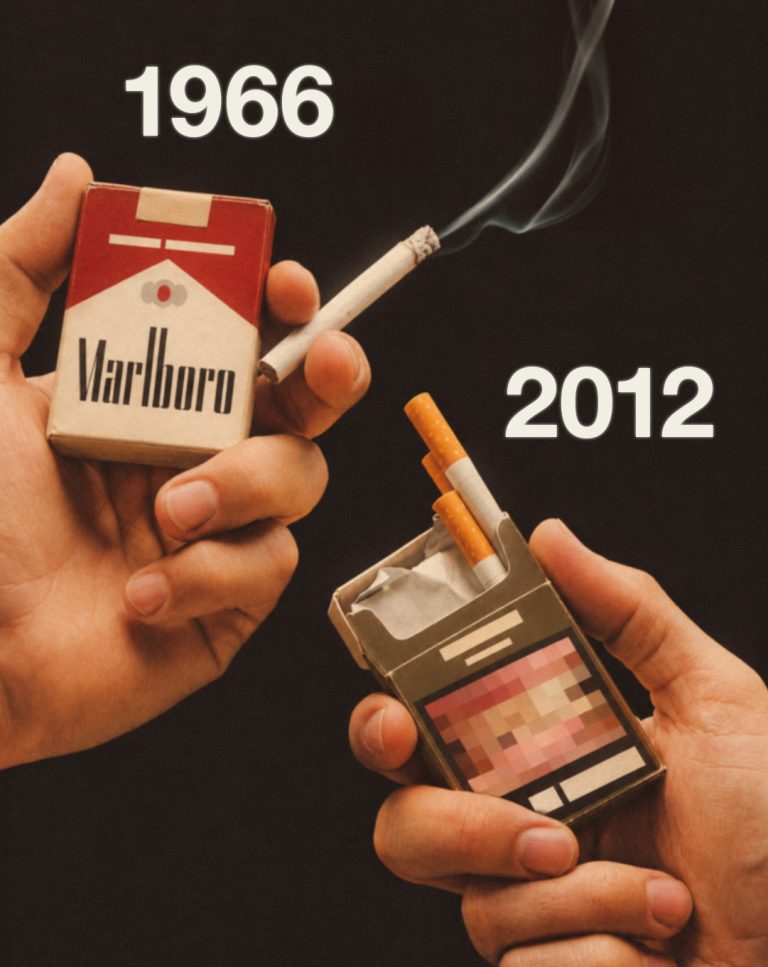
As a platform, being able to talk to anyone around the world is incredible, but there’s something we can’t deny: we miss being in the room with the people we create with, getting inspired in real time. In an era obsessed with AI and technological polish, making a mistake feels almost unforgivable. We won’t pretend we haven’t noticed the trend of childlike sketches flooding social media over the past few years, that hunger for imperfection, for something that feels human again. But that’s not the whole story. We’re talking about real mistakes, not the calculated, aesthetic kind, and the process of working through them with other people in the room. Turns out, that’s exactly how Nik and Tanner see it too. Looking back, they remember a time when mistakes weren’t something to hide; they were part of the process, part of what gave a designer’s work its personality.
“In our increasingly automated world of sleek software and AI technologies, we see the importance of actively injecting the creator’s hand into the work. These areas of distinction are what create the interest in the work, we feel.”
It’s undeniably true that we’re missing being in the same room with all these creative people. Still, a video call gave us a little sneak peek into Tanner and Nik’s world and their creative energy, and we loved every bit of it.