There’s been a lot of talk about nostalgia marketing over the years. It runs on one thing: people missing the old days. The easy answer for why it works so well? The world’s unstable right now, so instead of looking to the future for comfort, people dig it out of the past, as Kian Bakhtiari put it in Forbes. But we think there’s another reason too. The birth rate’s dropping, so brands have to reach the kids who already grew up, just to keep the numbers up.
You can see it everywhere. Hollywood remade The Devil Wears Prada and Practical Magic this year. McDonald’s opened 2026 with a Friends Happy Meal. But gaming hits different. You might’ve watched The Devil Wears Prada as a teenager. These games, though, we played them as kids. That’s why they have a serious advantage here. 2026’s been one long stream of collaborations circling back to exactly what we grew up on. Before we get into what’s cooking now, let’s rewind and see how gaming’s marketing got here.
Shocking news: your favorite cartoon was once an ad for selling toys
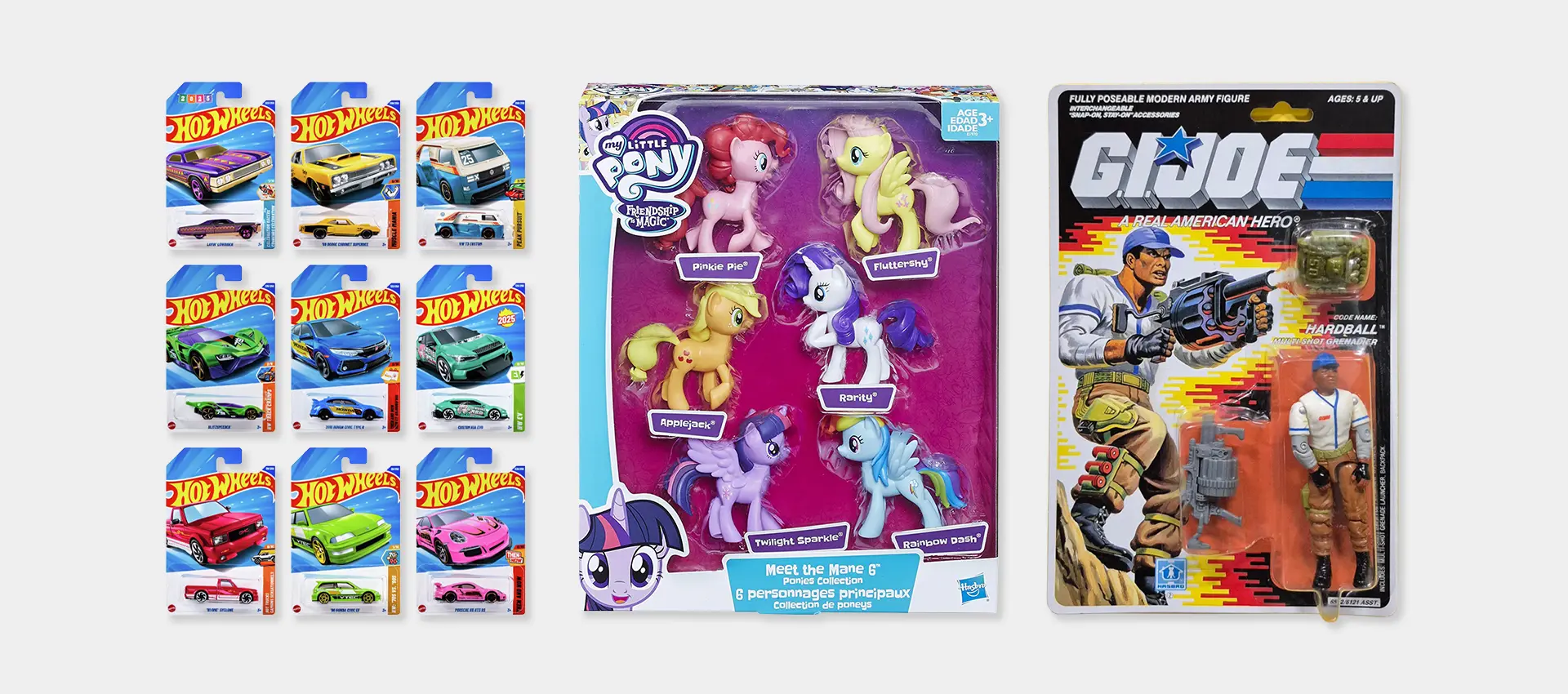
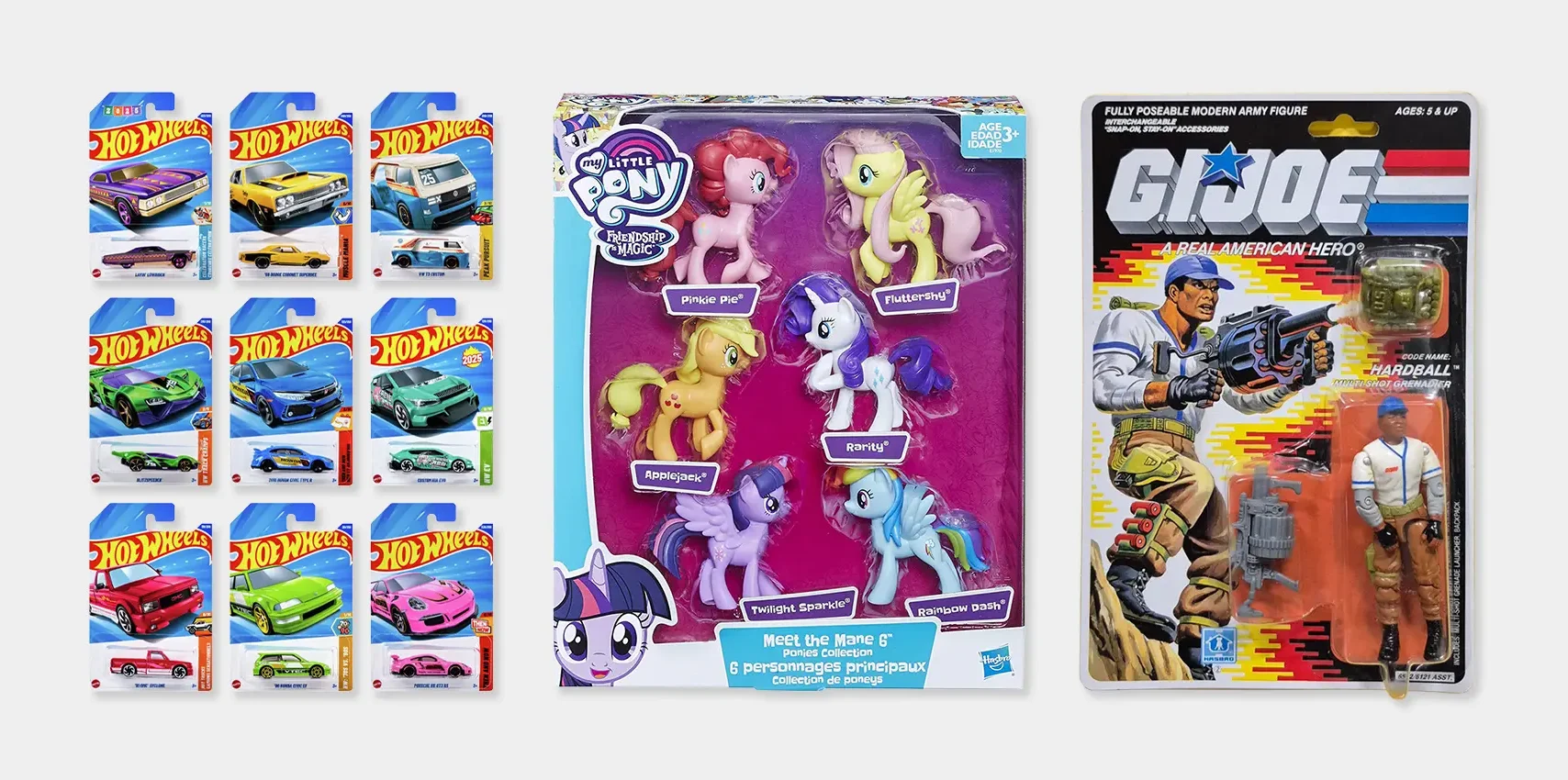
For the gaming industry, and toys in general, finding creative ways to sell products isn’t new. Back in the 80s, one of the biggest ad tricks around was the program-length commercial, basically a full cartoon built just to sell toys. Hot Wheels, My Little Pony, G.I. Joe, all of them. The characters weren’t really the point. They were just packaging.
Merchandise-driven shows aren’t new. What’s new is the “how.” The goal’s always been to sell the game & toy, companies just needed a way in. Back then, it was a cartoon. Now, it’s nostalgia marketing, same old goal, dressed up in a much more sophisticated way. Now, we can even see it tied to the Olympics, a collection SEGA launched with the IOC to mark Sonic the Hedgehog’s 35th anniversary in 2026.
Pokémon culture
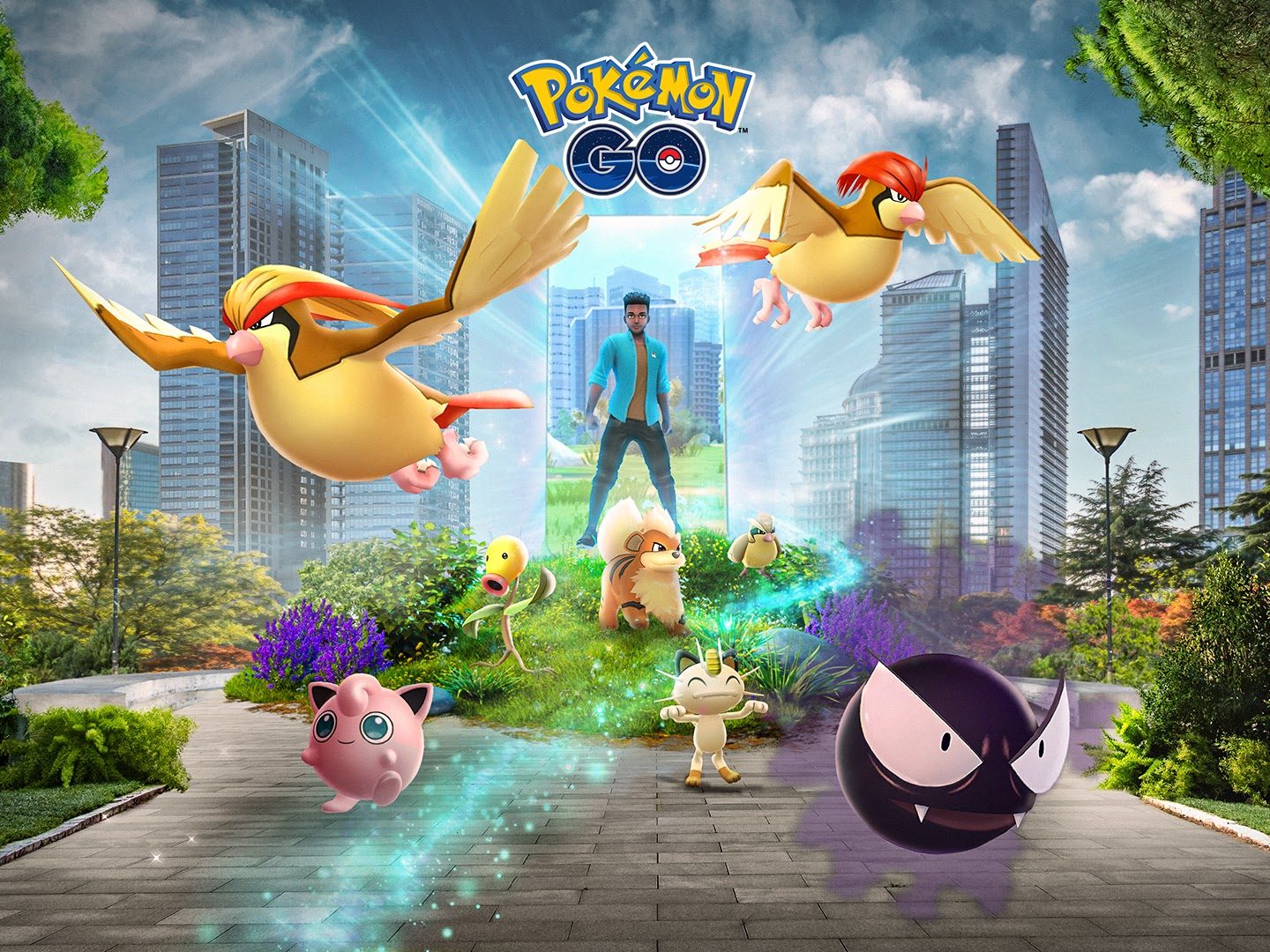
In Türkiye, Pokémon actually got pulled off air in 2000. Two kids jumped off their balconies, both convinced they had Pikachu’s powers. They survived, but got badly hurt. Heavy story, but it shows just how real these characters felt to that generation. No wonder when Pokémon Go dropped in 2016, we all lost it, snapping photos of everything, no consideration over privacy. Funnily enough, that same data ended up training Coco Robotics’ delivery robots to read city maps this year.
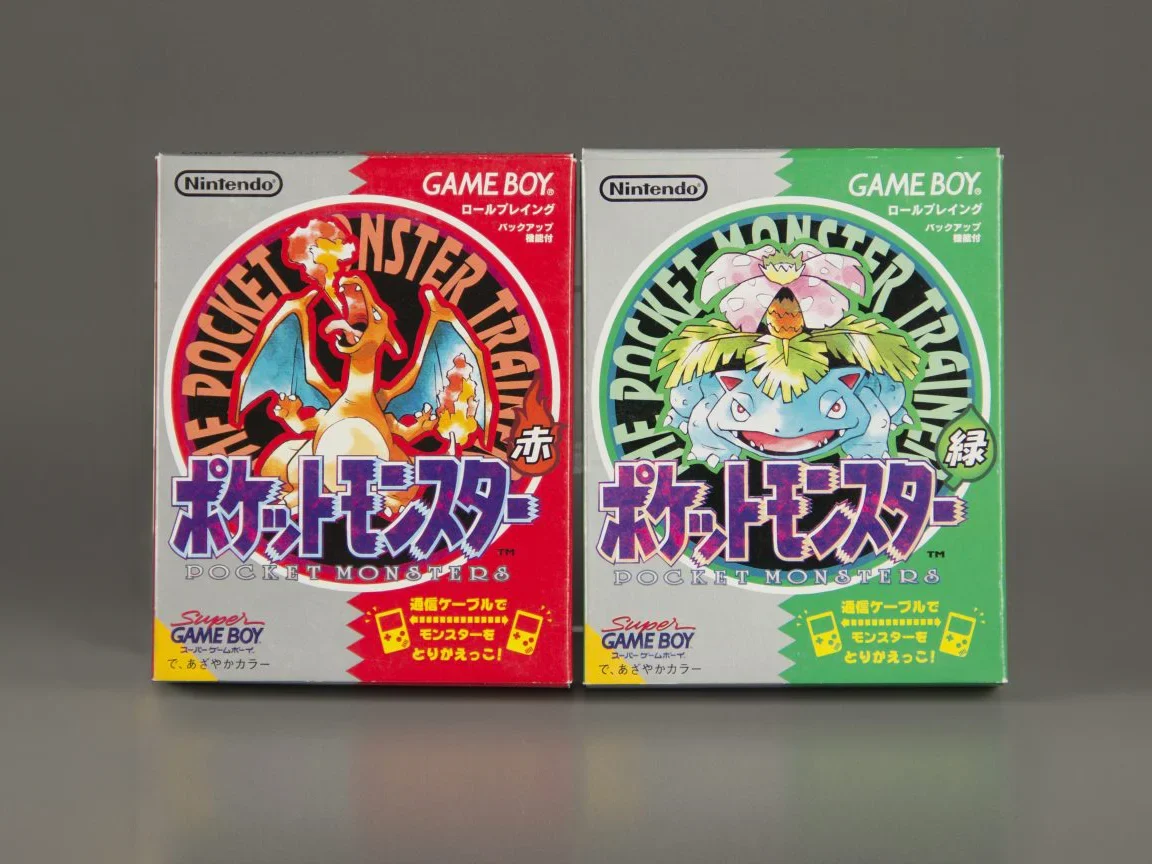
Pokémon turned 30 in 2026, celebrations in Tokyo, the whole thing. But its hold on culture and merchandise never really faded. Just last year, it became the highest-grossing media franchise of all time, $103.6 billion, according to License Global’s Retail Report. From the Secretlab chair collab, to North Face and Balmain in fashion, to the Osaka 2025 World Expo, Pokémon’s been finding sophisticated ways to sell itself back to adults for years. And since February, we can even play remakes of the classics, Pokémon Red and Pokémon Green. So no, they’re not new to nostalgia marketing. They might’ve even invented it.
.
And, what’s happening right now?
LEGO® PlayStation™
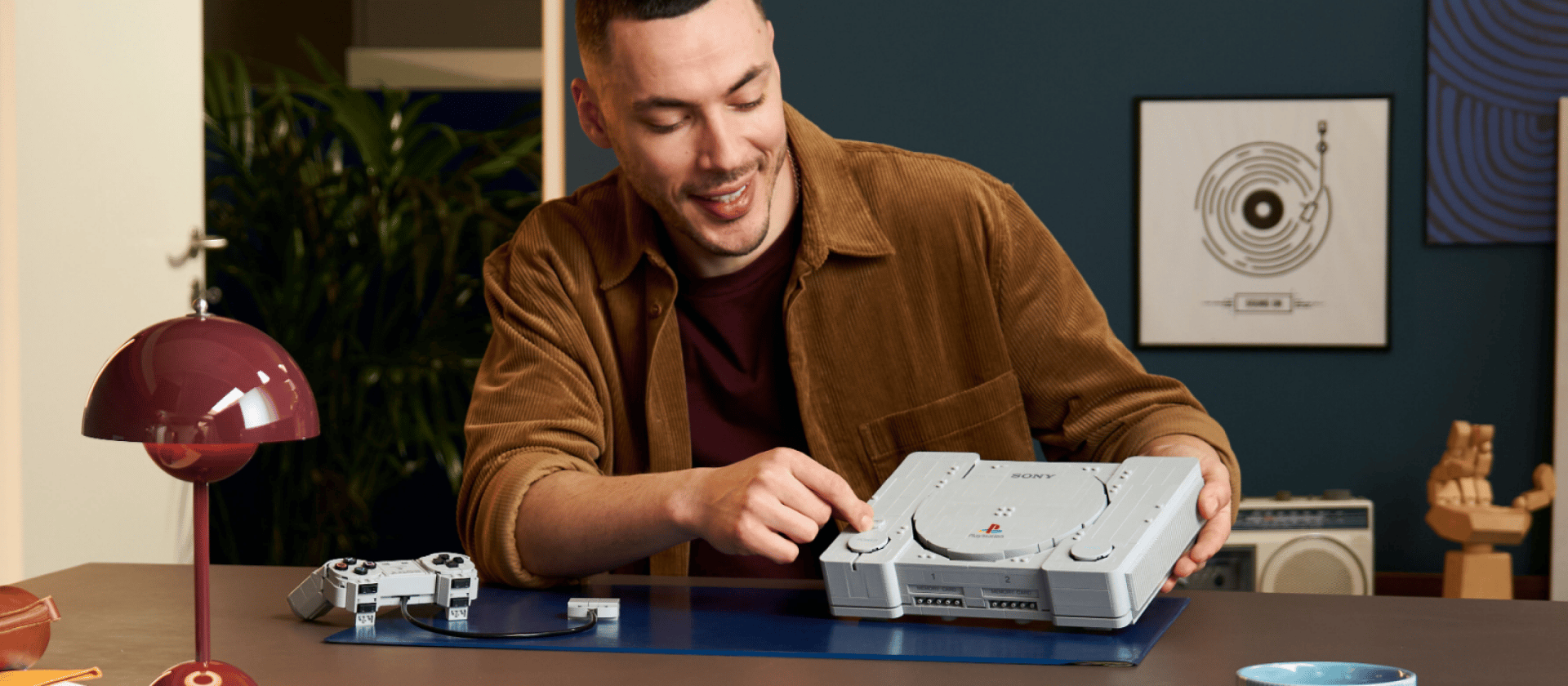
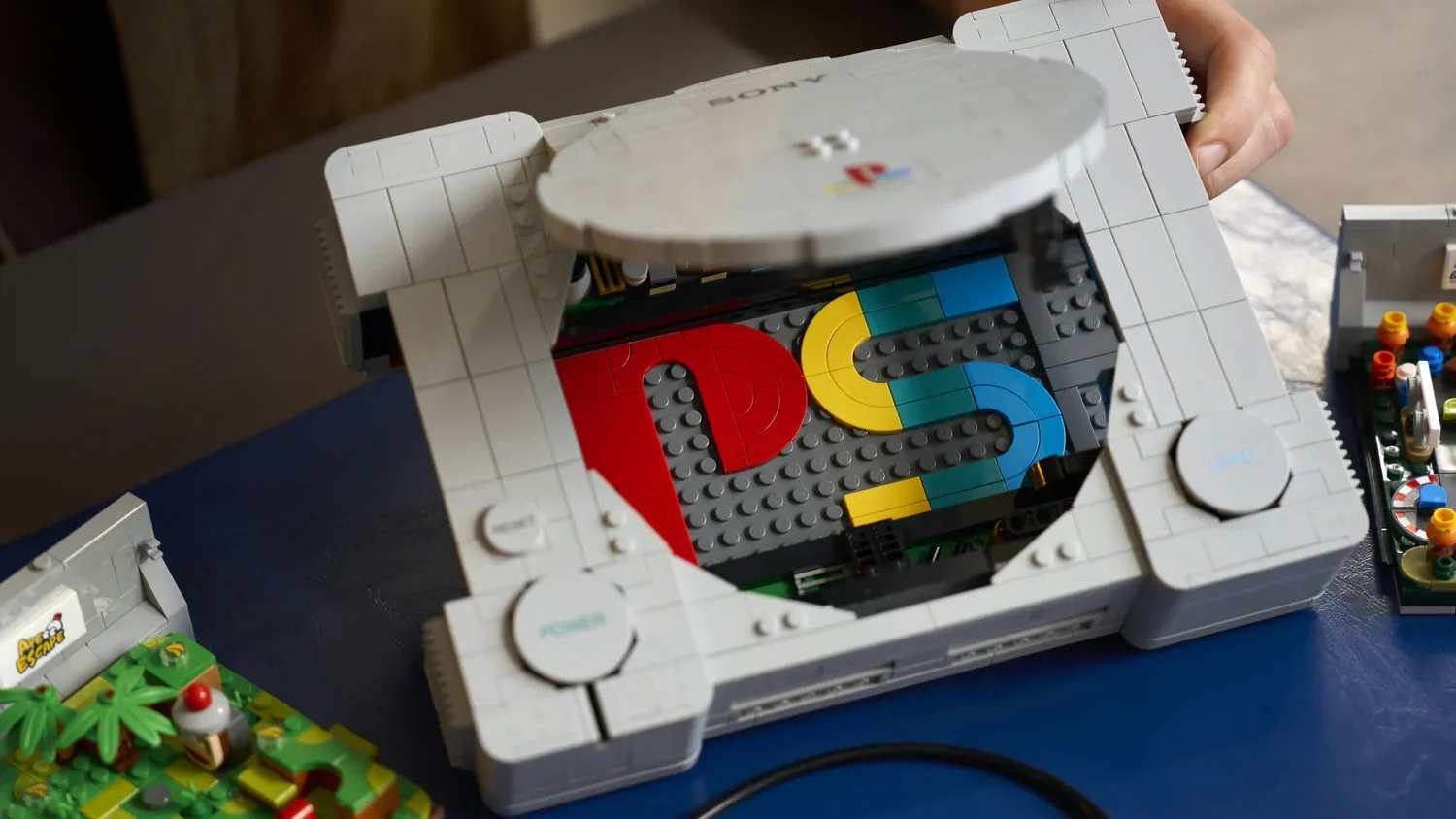
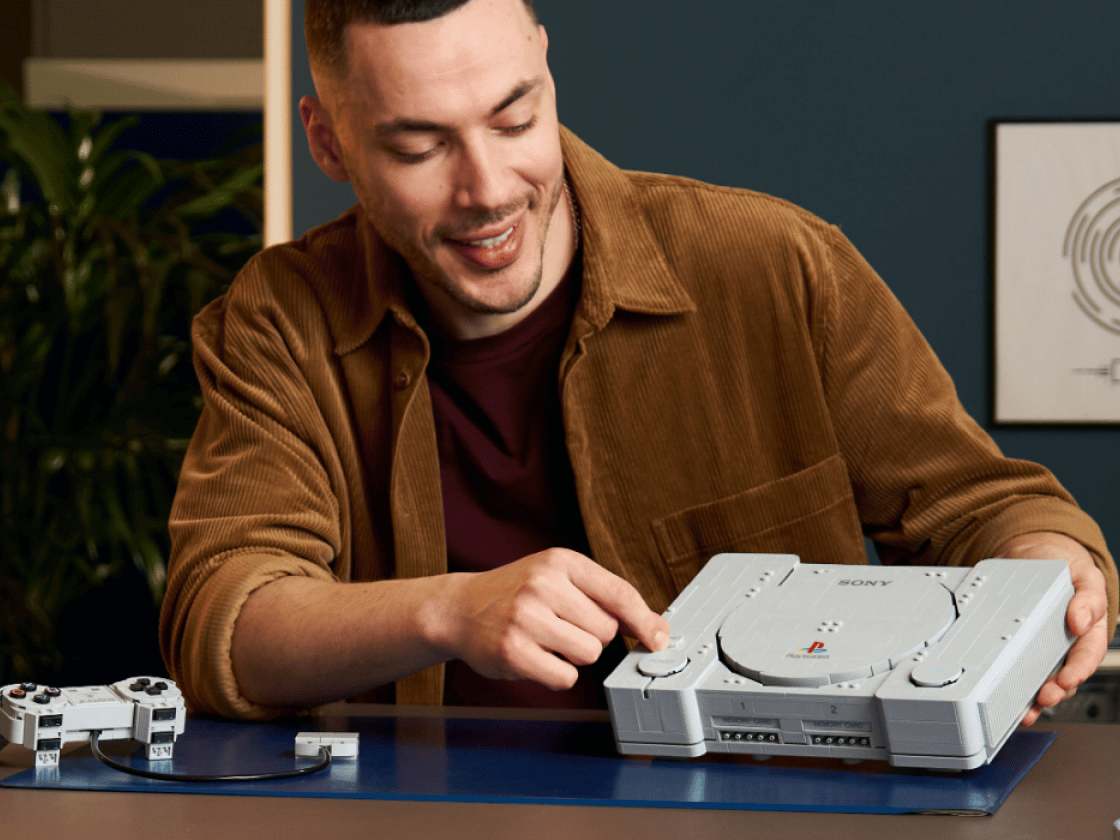
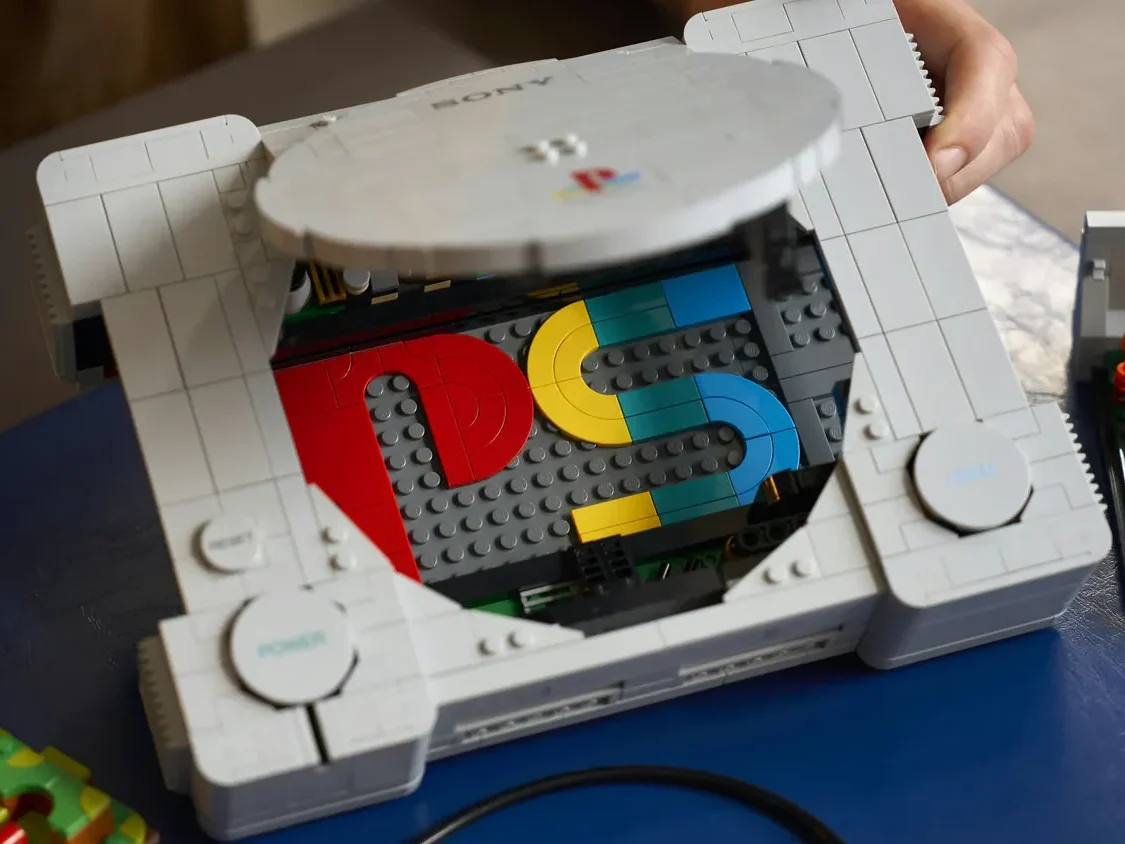
This year, if there’s one clear winner in gaming’s nostalgia game, it’s LEGO® PlayStation™. Launched on October 4th, it’s 1911 pieces of pure adult bait, hidden details everywhere, built for people who’ll spend an hour just looking for them. It takes us straight back to the 90s: a full replica of the original PlayStation console, packed with iconic touches and customizable details, right down to the nostalgic island scene tucked into the Ape Escape diorama.
Tamagotchi ring
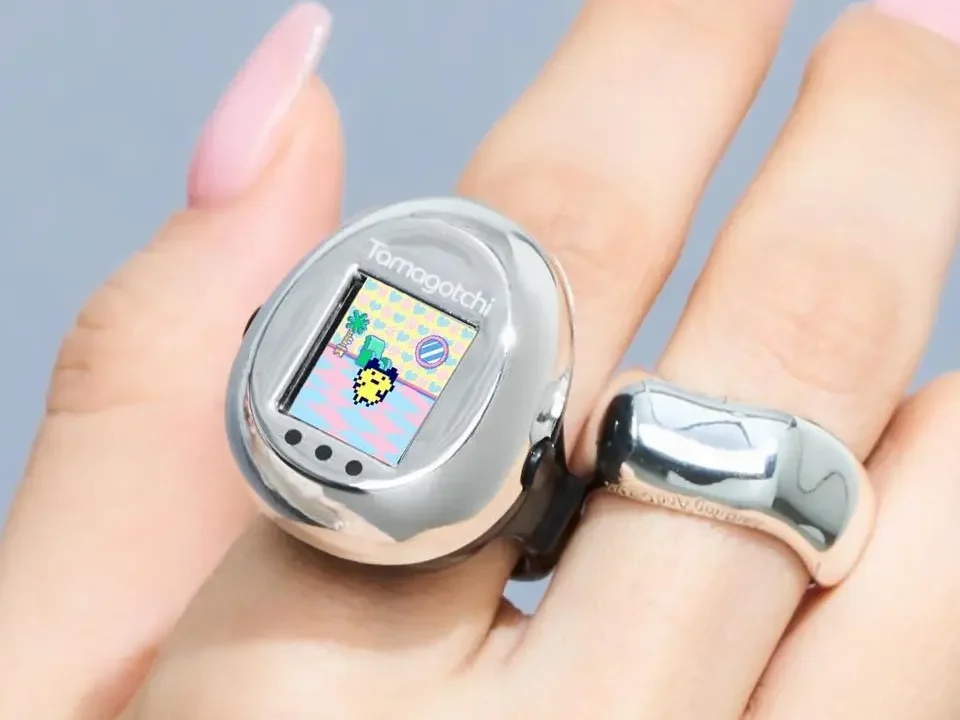
The Tamagotchi ring has genuinely split our studio in two. Half of us are thrilled, our childhood game is back, and it finally matches our current obsession with smart rings. The other half looked at the design and went, is this actually going to be comfortable to play? Fair question. But whichever camp you’re in, one thing’s not up for debate: we miss virtual pets a lot, and Tamagotchi’s always had our hearts. Bandai’s bringing it back for its 30th birthday, this time as a 0.56 inch screen in full color, on a design the team spent two years shrinking down to get just right.
YXSTABY collection by Ikea
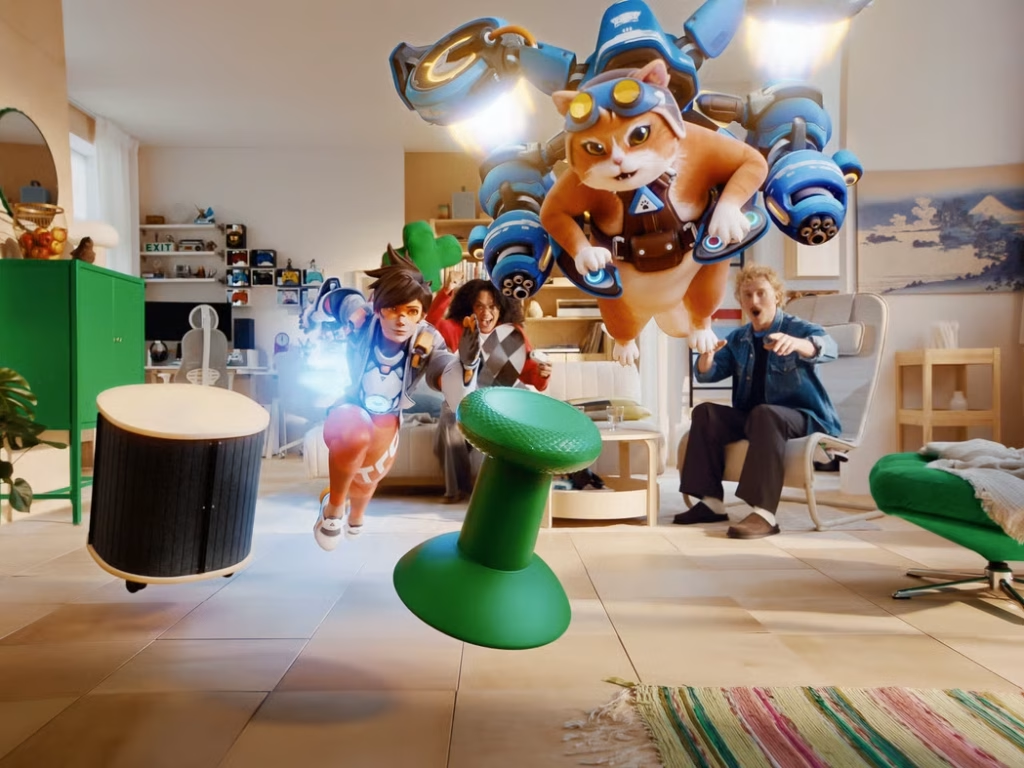
One sophisticated way gaming found its way into the nostalgia market, for adults specifically, is interior design. IKEA and Xbox teamed up for YXSTABY, which launched on October 1st, a nine-piece collection built to make play easy to bring into a room, and just as easy to tuck away. “How people play at home has shifted,” says Philip Dilé, Product Design Developer at IKEA of Sweden, and the pieces solve exactly that, the small ergonomic and design problems of gaming actually living in a shared space. The Xbox controller shaped a lot of it too, the thumbstick, reworked into a stool you can actually sit on.
Krayon x Pacman
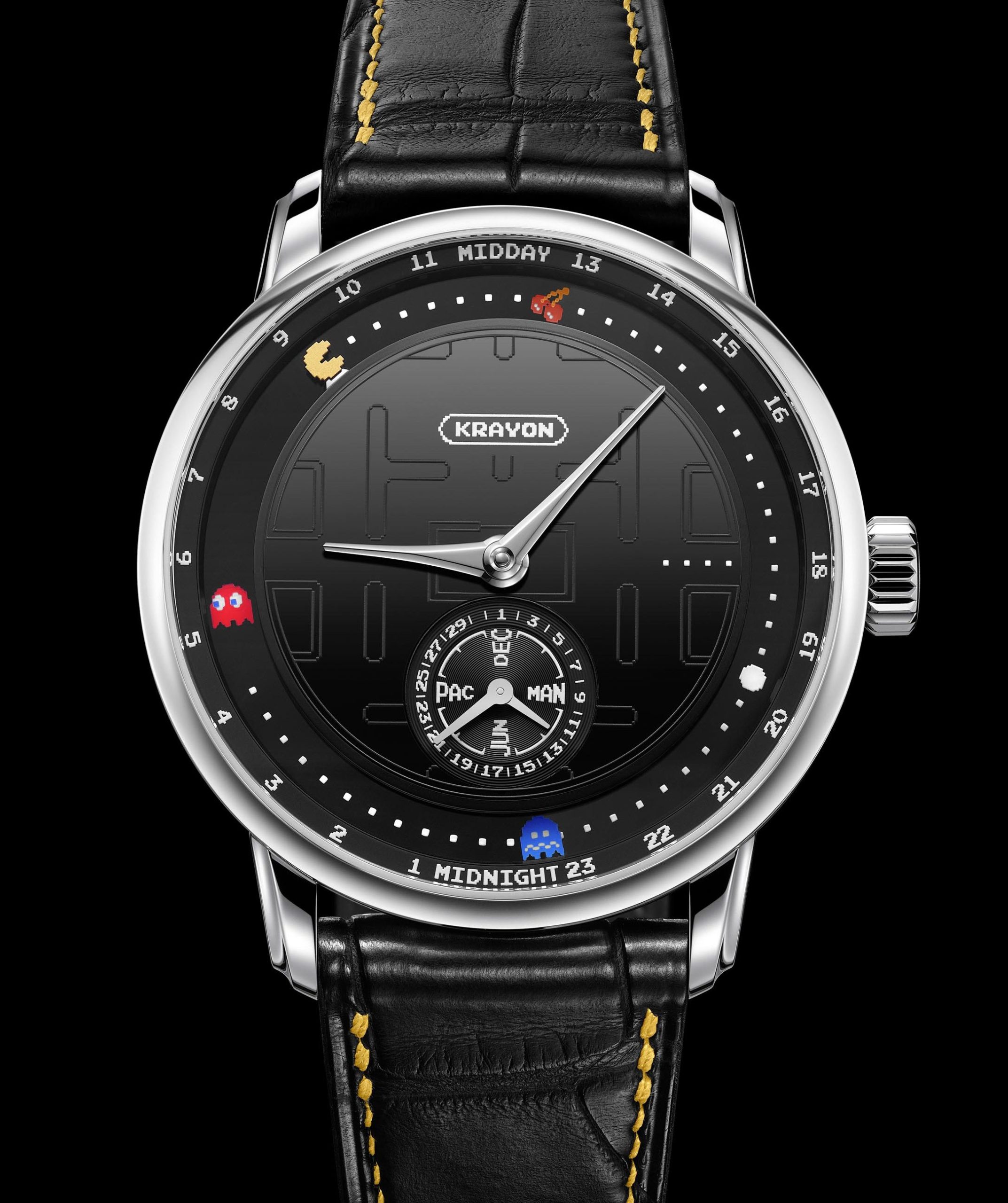
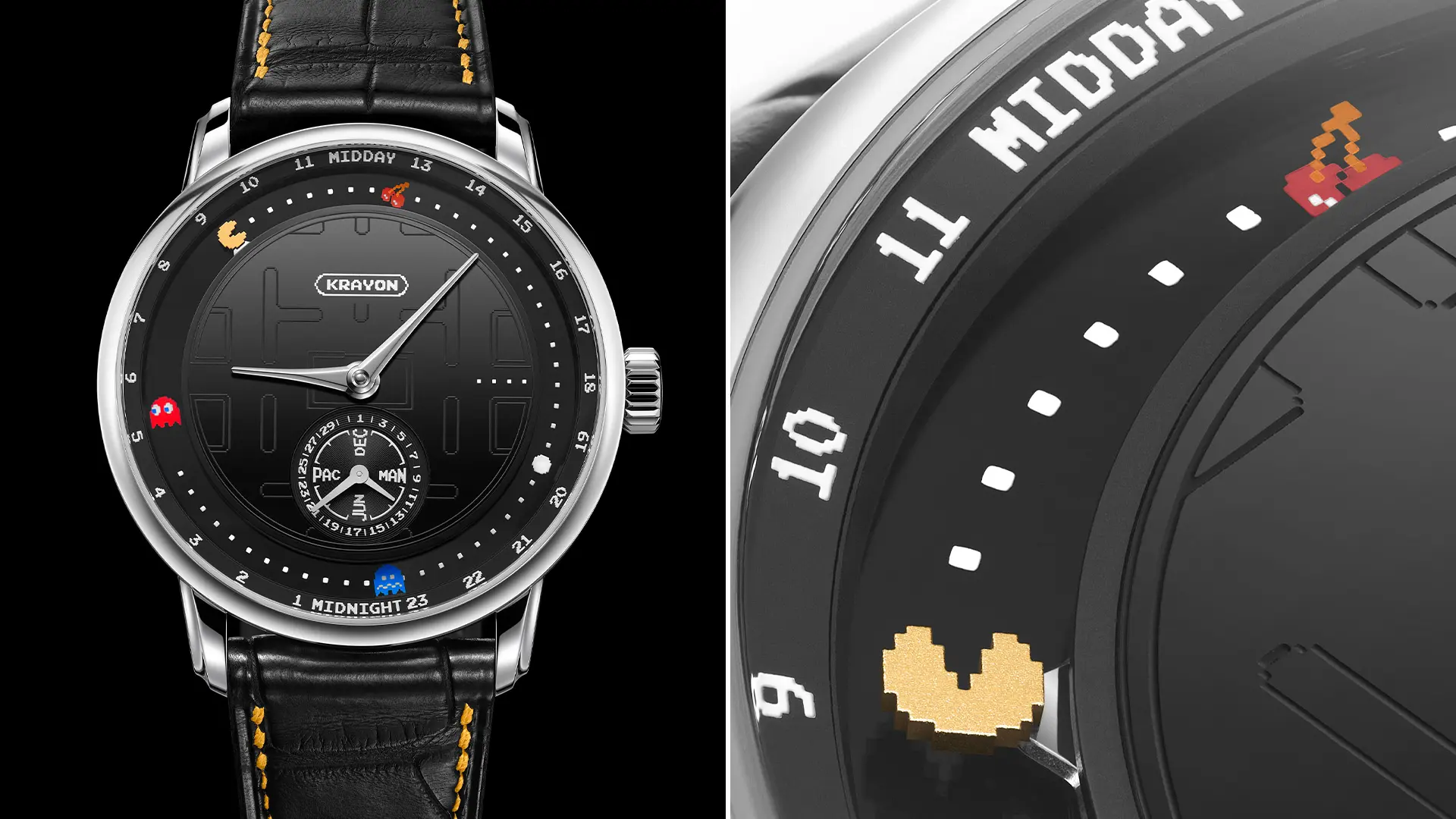
Lastly, but not leastly, one example comes from the watch world. Krayon teamed up with Pac-Man for a collection launched in March 2026, a limited edition marking the game’s 45th anniversary, with a genuinely personal story behind it. Both founders grew up with the game, just in completely different ways. Fei Hou played it alone, on her family’s first computer in Beijing. Rémi Maillat discovered it in Swiss arcades, surrounded by friends. The design itself is iconic in its own right, letting the owner actually feel the difference between day and night on the dial, not just read the time off it.
And, what’s happening right now?
LEGO® PlayStation™
This year, if there’s one clear winner in gaming’s nostalgia game, it’s LEGO® PlayStation™. Launched on October 4th, it’s 1911 pieces of pure adult bait, hidden details everywhere, built for people who’ll spend an hour just looking for them. It takes us straight back to the 90s: a full replica of the original PlayStation console, packed with iconic touches and customizable details, right down to the nostalgic island scene tucked into the Ape Escape diorama.
Tamagotchi ring
The Tamagotchi ring has genuinely split our studio in two. Half of us are thrilled, our childhood game is back, and it finally matches our current obsession with smart rings. The other half looked at the design and went, is this actually going to be comfortable to play? Fair question. But whichever camp you’re in, one thing’s not up for debate: we miss virtual pets a lot, and Tamagotchi’s always had our hearts. Bandai’s bringing it back for its 30th birthday, this time as a 0.56 inch screen in full color, on a design the team spent two years shrinking down to get just right.
YXSTABY collection by Ikea
One sophisticated way gaming found its way into the nostalgia market, for adults specifically, is interior design. IKEA and Xbox teamed up for YXSTABY, which launched on October 1st, a nine-piece collection built to make play easy to bring into a room, and just as easy to tuck away. “How people play at home has shifted,” says Philip Dilé, Product Design Developer at IKEA of Sweden, and the pieces solve exactly that, the small ergonomic and design problems of gaming actually living in a shared space. The Xbox controller shaped a lot of it too, the thumbstick, reworked into a stool you can actually sit on.
Krayon x Pacman
Lastly, but not leastly, one example comes from the watch world. Krayon teamed up with Pac-Man for a collection launched in March 2026, a limited edition marking the game’s 45th anniversary, with a genuinely personal story behind it. Both founders grew up with the game, just in completely different ways. Fei Hou played it alone, on her family’s first computer in Beijing. Rémi Maillat discovered it in Swiss arcades, surrounded by friends. The design itself is iconic in its own right, letting the owner actually feel the difference between day and night on the dial, not just read the time off it.
Comebacks for retro games obviously aren’t limited to these examples. Take Metal Canary, an indie shoot-em-up debuting at Retrocon 2026, physical release included, on a console that hasn’t seen a new game in years, the Wii. There are more examples than we could ever fit here, and honestly, we can’t wait to see how long this nostalgia wave keeps riding our feeds. We’re ready to play with our old toys again.